Test YOUR Business in Minutes
Create your account and launch your AI chatbot in minutes. Fully customizable, no coding required - start engaging your customers instantly!
Ready in minutes
No coding required
100% secure
Understanding Recent Stock Market Volatility
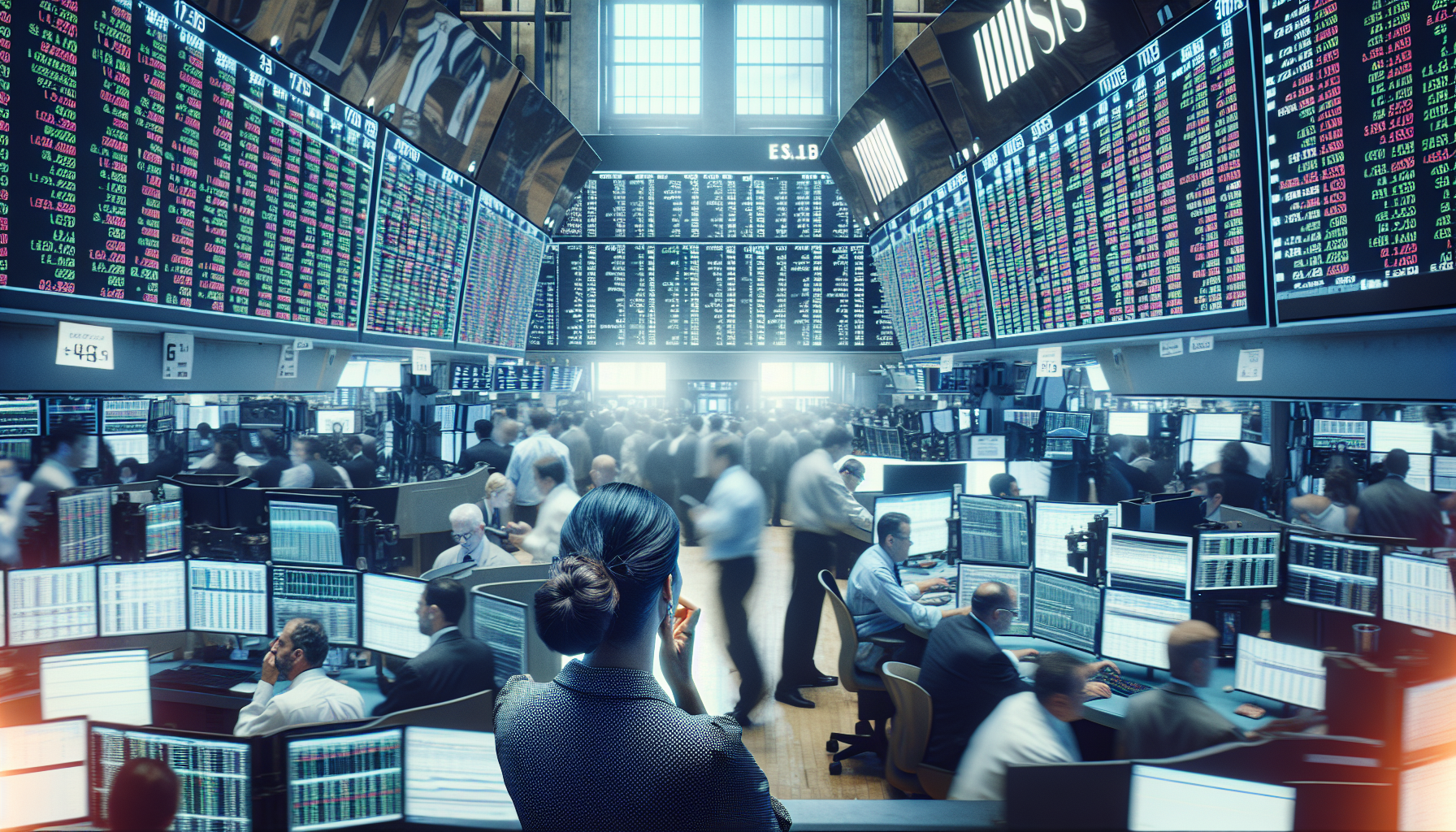
In 2023, global stock markets have experienced significant volatility, with indices like the S&P 500 and Dow Jones Industrial Average swinging sharply. This turbulence has been attributed to a combination of factors, including geopolitical tensions, fluctuating interest rates, and unexpected economic data releases. As investors grapple with uncertainty, these fluctuations have raised fears of a potential market crash.
Historical precedents, such as the 2008 financial crisis, remind investors of the devastating impacts a market downturn can have. The current situation draws parallels as central banks worldwide struggle to balance inflationary pressures with economic growth. The unpredictability of the COVID-19 pandemic's aftermath further complicates the economic landscape, influencing investor sentiment and market behavior.
Financial analysts emphasize that while volatility is inherent in stock markets, the recent patterns suggest deeper underlying issues. Understanding these dynamics is crucial for investors looking to navigate the potential risks and opportunities that lie ahead.
Historical precedents, such as the 2008 financial crisis, remind investors of the devastating impacts a market downturn can have. The current situation draws parallels as central banks worldwide struggle to balance inflationary pressures with economic growth. The unpredictability of the COVID-19 pandemic's aftermath further complicates the economic landscape, influencing investor sentiment and market behavior.
Financial analysts emphasize that while volatility is inherent in stock markets, the recent patterns suggest deeper underlying issues. Understanding these dynamics is crucial for investors looking to navigate the potential risks and opportunities that lie ahead.
Factors Driving Current Market Fluctuations
Several factors are contributing to the current stock market fluctuations. Rising interest rates, implemented by central banks to curb inflation, are a significant concern. Higher borrowing costs can dampen corporate profits and consumer spending, leading to downward pressure on stock prices. Additionally, geopolitical tensions, such as the ongoing conflict in Eastern Europe, have disrupted global supply chains and fueled uncertainty in energy markets.
The technology sector, a major driver of global indices, is also experiencing a shift. As tech companies face regulatory scrutiny and changing consumer behaviors post-pandemic, their valuations have become increasingly volatile. Moreover, the recent collapse of a few high-profile startups has sent shockwaves through the market, prompting investors to reassess their risk appetite.
Experts suggest that these factors, coupled with the unpredictable nature of global pandemics and climate-related disruptions, make the market outlook for the coming years particularly challenging. Investors must remain vigilant and adaptable as they navigate these complex and interrelated issues.
The technology sector, a major driver of global indices, is also experiencing a shift. As tech companies face regulatory scrutiny and changing consumer behaviors post-pandemic, their valuations have become increasingly volatile. Moreover, the recent collapse of a few high-profile startups has sent shockwaves through the market, prompting investors to reassess their risk appetite.
Experts suggest that these factors, coupled with the unpredictable nature of global pandemics and climate-related disruptions, make the market outlook for the coming years particularly challenging. Investors must remain vigilant and adaptable as they navigate these complex and interrelated issues.
Lessons from Past Market Crashes
History offers valuable lessons for understanding and preparing for potential market crashes. The 1929 Great Depression and the 2008 financial crisis share commonalities with today’s market environment, such as excessive risk-taking and market overvaluation. In both instances, a lack of regulatory oversight and speculative bubbles led to widespread economic downturns.
The 2008 crisis, triggered by the collapse of mortgage-backed securities, highlighted the dangers of financial innovation without sufficient safeguards. It underscored the importance of transparency and accountability in financial markets. Lessons learned from these past crises have prompted regulatory reforms aimed at enhancing market stability and protecting investors.
However, experts warn that complacency could lead to a repeat of past mistakes. As financial markets evolve, new risks emerge, necessitating ongoing vigilance and adaptation. By studying historical crashes, investors can better understand the warning signs and develop strategies to mitigate potential impacts.
The 2008 crisis, triggered by the collapse of mortgage-backed securities, highlighted the dangers of financial innovation without sufficient safeguards. It underscored the importance of transparency and accountability in financial markets. Lessons learned from these past crises have prompted regulatory reforms aimed at enhancing market stability and protecting investors.
However, experts warn that complacency could lead to a repeat of past mistakes. As financial markets evolve, new risks emerge, necessitating ongoing vigilance and adaptation. By studying historical crashes, investors can better understand the warning signs and develop strategies to mitigate potential impacts.
Expert Opinions on Market Outlook
Financial experts provide varying perspectives on the current market outlook. Some are optimistic, citing strong corporate earnings and technological advancements as indicators of long-term growth. They argue that while short-term volatility is expected, the underlying fundamentals of the global economy remain robust.
Conversely, other analysts caution against overconfidence. They point to rising debt levels and geopolitical instability as significant threats to sustained economic growth. Renowned economist Nouriel Roubini, known for predicting the 2008 crisis, has expressed concerns about potential stagflation—a scenario combining stagnant economic growth with high inflation.
While opinions differ, a consensus exists on the necessity for diversification and risk management. By spreading investments across different asset classes and geographies, investors can reduce exposure to potential downturns. Listening to diverse expert opinions can help investors formulate a balanced view of the market landscape.
Conversely, other analysts caution against overconfidence. They point to rising debt levels and geopolitical instability as significant threats to sustained economic growth. Renowned economist Nouriel Roubini, known for predicting the 2008 crisis, has expressed concerns about potential stagflation—a scenario combining stagnant economic growth with high inflation.
While opinions differ, a consensus exists on the necessity for diversification and risk management. By spreading investments across different asset classes and geographies, investors can reduce exposure to potential downturns. Listening to diverse expert opinions can help investors formulate a balanced view of the market landscape.
Essential Investment Strategies for 2026
In light of the current market dynamics, strategic investment approaches are imperative for 2026 and beyond. Diversification remains a cornerstone of sound investment strategy. By allocating assets across sectors such as technology, healthcare, and renewable energy, investors can mitigate risks associated with sector-specific downturns.
Moreover, maintaining a long-term perspective is crucial. While market fluctuations may tempt some to make impulsive decisions, history shows that patience often yields better returns. Dollar-cost averaging, where investors regularly invest a fixed amount regardless of market conditions, can help smooth out volatility and capitalize on market dips.
Additionally, incorporating alternative investments like real estate or commodities can provide a buffer against stock market volatility. As traditional stock and bond markets face uncertainty, these assets may offer uncorrelated returns, enhancing portfolio resilience. Investors should consult with financial advisors to tailor strategies that align with their risk tolerance and financial goals.
Moreover, maintaining a long-term perspective is crucial. While market fluctuations may tempt some to make impulsive decisions, history shows that patience often yields better returns. Dollar-cost averaging, where investors regularly invest a fixed amount regardless of market conditions, can help smooth out volatility and capitalize on market dips.
Additionally, incorporating alternative investments like real estate or commodities can provide a buffer against stock market volatility. As traditional stock and bond markets face uncertainty, these assets may offer uncorrelated returns, enhancing portfolio resilience. Investors should consult with financial advisors to tailor strategies that align with their risk tolerance and financial goals.
The Role of Behavioral Economics
Behavioral economics offers insights into how psychological factors influence investor behavior during market fluctuations. Cognitive biases, such as loss aversion and herd mentality, can lead to irrational decision-making, exacerbating market volatility.
Loss aversion, the tendency to fear losses more than valuing gains, often results in investors selling assets in a panic during downturns. Understanding this bias and maintaining disciplined investment strategies can help investors avoid costly mistakes. Herd mentality, where investors mimic the actions of others, can also contribute to market bubbles and crashes as people follow trends without critical analysis.
Awareness of these psychological factors enables investors to make more informed decisions. By recognizing their own biases and maintaining a focus on long-term objectives, investors can navigate volatile markets with greater confidence and resilience.
Loss aversion, the tendency to fear losses more than valuing gains, often results in investors selling assets in a panic during downturns. Understanding this bias and maintaining disciplined investment strategies can help investors avoid costly mistakes. Herd mentality, where investors mimic the actions of others, can also contribute to market bubbles and crashes as people follow trends without critical analysis.
Awareness of these psychological factors enables investors to make more informed decisions. By recognizing their own biases and maintaining a focus on long-term objectives, investors can navigate volatile markets with greater confidence and resilience.
Adapting to Technological Advancements in Finance
Technology continues to reshape the financial landscape, offering both challenges and opportunities. The rise of algorithmic trading and artificial intelligence (AI) in investment management has transformed how markets operate. These technologies can process vast amounts of data at unprecedented speeds, providing more accurate market predictions and enhancing investment strategies.
However, reliance on technology also introduces new risks. Flash crashes, where automated trading systems cause rapid market declines, highlight the potential pitfalls of algorithmic trading. As AI becomes more integrated into financial markets, ensuring robust regulatory frameworks is essential to mitigate systemic risks.
Investors must adapt to these technological advancements by staying informed and leveraging new tools to their advantage. By embracing technology while remaining vigilant about its limitations, investors can harness its potential to navigate the complexities of modern financial markets effectively.
However, reliance on technology also introduces new risks. Flash crashes, where automated trading systems cause rapid market declines, highlight the potential pitfalls of algorithmic trading. As AI becomes more integrated into financial markets, ensuring robust regulatory frameworks is essential to mitigate systemic risks.
Investors must adapt to these technological advancements by staying informed and leveraging new tools to their advantage. By embracing technology while remaining vigilant about its limitations, investors can harness its potential to navigate the complexities of modern financial markets effectively.